Showing posts with label Leak detection cables. Show all posts

Polymer Absortion Technology Leak Detection Cables

Polymer Absortion Technology Leak Detection Cables

Leak detection is an indispensable part of many industrial processes, especially in petrochemicals, water management, and chemical manufacturing sectors. With the advent of technology, several methods have emerged to detect and prevent leaks. One such sophisticated method involves using Polymer Absorption Sensors (PAS). In this article, we'll delve into the concept of PAS and its applicability in industrial leak detection cables.

What is Polymer Absorption Sensor Technology (PAS)?


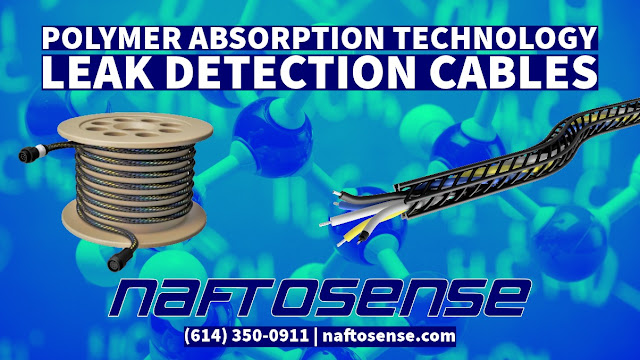
At its core, a Polymer Absorption Sensor Technology is a type of sensor that utilizes polymers' absorption characteristics to detect substances, mainly fluids. These polymers change their physical or chemical properties upon absorbing specific fluids, which can then be measured and interpreted as a detection signal. Different polymers can be employed depending on the type of fluid in question – be it water, oil, or a chemical solvent.

How does PAS Work?


The working principle of a PAS is based on the change in properties of the polymer when it comes in contact with a specific liquid.
  • Absorption: When the target fluid contacts the polymer, the polymer tends to absorb it. This absorption results in a noticeable change in the polymer, often swelling or expanding.
  • Signal Generation: This change is detected in various ways. For some PAS systems, the swelling of the polymer might complete an electrical circuit, triggering an alarm. Optical properties might change in others, allowing for a light-based detection system.
  • Communication: Once a change is detected, the system communicates this change, either by sending an electronic signal, lighting up an indicator, or triggering an alarm.

Application in Industrial Leak Detection Cables


Leak detection cables are commonly used in industries to detect and locate leaks along pipelines, tanks, and large machinery. PAS based cables offers several advantages:
  • Precision: PAS-enabled cables can precisely detect the leak's location.
  • Versatility: Different polymers detect various fluids. This flexibility allows industries to deploy them in diverse environments, from oil pipelines to water reservoirs.
  • Quick Response: Due to the polymer's immediate physical or chemical response, PAS provides almost instantaneous detection, ensuring minimal damage from unnoticed leaks.
  • Durability: Polymers used in PAS are often chosen for their robustness and longevity, ensuring the cables remain functional without frequent replacements or maintenance.

Naftosense leak detection cables utilize Polymer Absorption Sensor Technology and boasts a solid history of detecting hydrocarbons under extreme conditions. Their cables offer real-time, cost-effective monitoring of critical infrastructure integrity. Paired with patented controller technology, Naftosense can determine leak volume and differentiate between old and new material. 

In an era where efficient and quick leak detection can prevent significant industrial accidents and financial losses, technologies like Naftosense leak detection cables  present a promising solution. Industries can benefit from precise, quick, and flexible leak detection, enhancing safety and operational efficiency.

Naftosense.com
(614) 350-0911


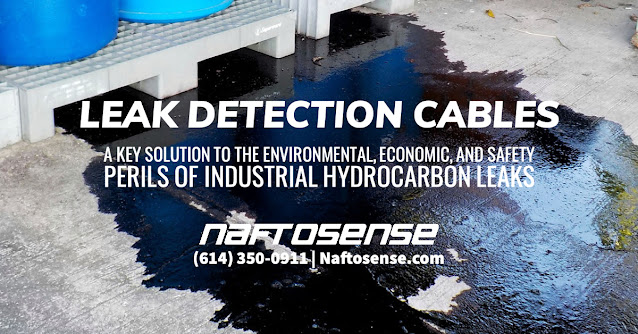
Leak Detection Cables: A Key Solution to the Environmental, Economic, and Safety Perils of Industrial Hydrocarbon Leaks

Leak Detection Cables: A Key Solution to the Environmental, Economic, and Safety Perils of Industrial Hydrocarbon Leaks

Industrial hydrocarbon leaks pose a multifaceted threat, encompassing detrimental environmental, economic, and safety implications. Implementing a reliable leak detection system, such as leak detection cables, is crucial to address these issues effectively.


  1. Environmental impact: Hydrocarbons, such as petroleum products and natural gas, can have severe ecological consequences when leaked. They can contaminate soil, groundwater, and surface water, destroying ecosystems, losing biodiversity, and causing long-term environmental damage. Moreover, hydrocarbons contribute to air pollution and climate change, as they release greenhouse gases like methane and carbon dioxide when they leak and evaporate.
  2. Economic loss: Hydrocarbon leaks can result in significant financial losses for industries. Leaked hydrocarbons are a wasted resource instead of being used for energy production or manufacturing. Additionally, the cost of cleaning up leaked hydrocarbons, remediation efforts, and potential fines and legal liabilities can be substantial, putting a strain on the industry's bottom line.
  3. Safety hazards: Hydrocarbon leaks pose considerable safety risks for workers and nearby communities. Many hydrocarbons are flammable and can cause explosions or fires when they come into contact with ignition sources. Leaks can also release toxic or asphyxiating gases, putting people at risk of respiratory issues, chemical burns, or other health complications.
  4. Reputation damage: Hydrocarbon leaks can damage the reputation of industries and companies responsible for the leaks. Public opinion can turn against companies that fail to take appropriate measures to prevent and manage leaks, leading to a loss of trust and potential business opportunities.


Implementing a reliable leak detection system, such as leak detection cables, is crucial to address these issues. Leak detection cables detect the presence of hydrocarbons quickly and accurately, allowing for prompt response and mitigation efforts. These systems can help prevent environmental damage, minimize economic losses, and reduce safety hazards by identifying leaks before they escalate into significant problems. Furthermore, by demonstrating proactive measures to avoid hydrocarbon leaks, companies can protect their reputation and maintain public trust in their operations.


(614) 350-0911

Elastomer Absorption Technology for Leak Detection

Elastomer Absorption Technology for Leak Detection

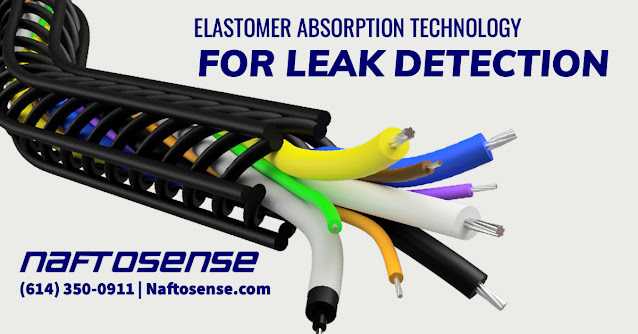
Elastomer Absorption Technology is a specialized method used in hydrocarbon leak detection cables to identify and locate hydrocarbon leaks, such as those from oil, gasoline, diesel, or other similar substances. This technology employs the unique properties of elastomeric materials, which are polymer-based materials with high elasticity and can return to their original shape after deformation.


In the context of hydrocarbon leak detection cables, Elastomer Absorption technology functions as follows:


  1. Cable construction: The leak detection cable consists of a core sensing element of a hydrocarbon-sensitive elastomeric material surrounded by an external protective sheath. The sheath is usually made of a chemical-resistant material, allowing it to withstand harsh environmental conditions and protect the internal sensing element from damage.
  2. Absorption and swelling: When the elastomeric sensing element comes into contact with hydrocarbons, it absorbs them, causing the elastomer to swell. This swelling is a vital characteristic of the elastomeric material used in the cable, and this property enables the detection of hydrocarbon leaks.
  3. Signal generation: In most applications, the leak detection cable includes an alarm and monitoring system. Due to hydrocarbon absorption, the system can detect and monitor the change in the elastomer's physical properties, such as its volume or capacitance. When the cable senses a leak, it generates a signal. It sends it to the monitoring system, which then triggers an alarm, alerting the operator to the presence of a hydrocarbon leak.
  4. Leak localization: Advanced leak detection cables with Elastomer Absorption technology can provide accurate information about the leak's location. These cables include multiple sensing zones along their length, allowing the monitoring system to identify the specific zone where the leak occurs. By pinpointing the exact location of the leak, operators can take quick and effective action to address the issue.


Elastomer Absorption Technology is a critical component of hydrocarbon leak detection cables, leveraging the unique properties of elastomeric materials to absorb hydrocarbons and trigger alarms in case of a leak. This technology allows for rapid detection and localization of hydrocarbon leaks, minimizing their associated risks and enabling operators to address them promptly.


(614) 350-0911

Leak Detection Cables for Environmental Protection, Safety, and Profits

Leak Detection Cables for Environmental Protection, Safety, and Profits

Leaky tanks and pipes containing various hydrocarbon materials can present a number of serious issues related to maintenance costs and environmental safety.

One issue is that leaks can result in the loss of valuable resources, such as oil or gas, which can be costly to replace. Additionally, leaks can cause damage to equipment and infrastructure, which also can be expensive to repair or replace.

Another issue is that leaks can result in the release of harmful pollutants, such as oil or gas, into the environment. These pollutants can have negative impacts on air and water quality, as well as on wildlife and other forms of plant and animal life. Leaks can also pose a risk of fire or explosion, which can further damage the environment and pose a danger to human health and safety.

Leaking tanks and pipes can also lead to long-term health risks for people living or working near the site of the leak. The hydrocarbon tanks can cause long term exposure to toxic pollutants that may lead to chronic illnesses.

Overall, it is important for companies and organizations to maintain them properly and respond quickly to any signs of leaks in order to minimize the potential for damage to resources and the environment.

Hydrocarbon leak detection cables are a type of sensor that can be used to detect the presence of hydrocarbons, such as oil and gas, in the event of a leak. These cables consist of a series of conductive sensors that are embedded in a flexible cable. The sensors are designed to detect changes in the electrical properties of the surrounding environment, such as changes in resistance or capacitance, that indicate the presence of hydrocarbons.

When the hydrocarbon leak detection cable is installed, it is buried underground or laid out on the surface, surrounding the area or equipment where hydrocarbon leaks are to be detected. The cable is connected to an electronic control unit or monitoring station, which is responsible for analyzing the signals from the sensors and determining whether a leak has occurred.

When a hydrocarbon leaks occurs and comes in contact with the cable, it changes the electrical properties of the surrounding soil or surface and an alarm is triggered. The control unit or monitoring station can be configured to send a signal to a remote location, such as a control room, or sound an audible alarm to alert personnel that a leak has been detected.

The hydrocarbon leak detection cable systems have a central unit that process the data from the cable, usually it uses a microcontroller, this unit is responsible for monitoring the signals coming from the cable, analyzing and interpreting the data and take actions in the event of a leak.

It's important to note that Hydrocarbon leak detection cables are not capable of locating the point of the leak, they only indicate the presence of the hydrocarbons, location of the leak is typically determined by other methods such as visual inspection, ground penetrating radar, or excavation.

Overall, hydrocarbon leak detection cables are a reliable and efficient way to detect hydrocarbon leaks in underground tanks, pipes and other equipment. They allow for early detection and can help minimize the potential for damage to resources and the environment.

(614) 350-0911