In modern computer data centers, hydrocarbon leaks can be a serious concern because they can lead to equipment malfunctions, fires, or other potentially hazardous situations. Data centers are complex environments with a mix of electrical, cooling, and backup systems. Here are areas that are sensitive to hydrocarbon leaks:
Cooling Systems: Many data centers use liquid-based cooling solutions, especially in high-density setups. A leak from these systems can cause electrical short-circuits, corrode equipment, and increase fire risk if the cooling fluid is flammable.
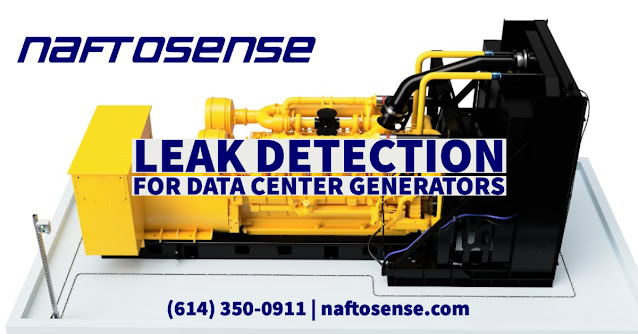
Backup Power Systems: Many data centers, like diesel generators, have backup power solutions to ensure continuity during power outages. A leak from these generators, especially fuel storage tanks or supply lines, can be a fire hazard and pose environmental concerns if the fuel seeps into the ground.
Fire Suppression Systems: Some older data centers might use Halon or other hydrocarbon-based fire suppressants. Accidental discharge or leaks can deplete the ozone layer and contribute to global warming.
Raised Floors: Data centers often have raised floors under which cables, cooling systems, and sometimes even fuel lines for backup generators run. Hydrocarbon leaks in this space can go unnoticed, pose a fire risk, or damage the equipment or cabling underneath.
Air Conditioning and HVAC Systems: Hydrocarbons used as refrigerants can leak from the AC or HVAC systems. While modern refrigerants are often less harmful than older ones, leaks can pose environmental concerns.
Power Distribution Units (PDUs) and Batteries: Some battery technologies, especially older ones, might leak hydrocarbons, damaging nearby equipment and increasing fire risk.
Hydrocarbons can harm the environment if they enter the soil or water systems, impacting the local ecosystem and contaminating drinking water sources. Leaks can also significantly damage the building's structure if they corrode certain materials. It can also compromise the integrity of walls, ceilings, and floors, which is critical for maintaining a controlled environment inside the data center.
Leak detection solutions in data centers are crucial to prevent downtime, equipment damage, and potential safety hazards.
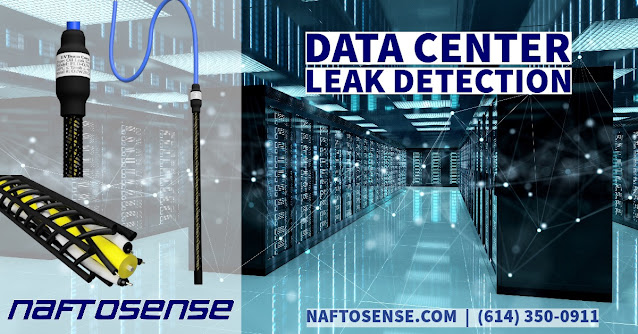
Cable-based leak detection systems, sometimes called rope-type or cable-type leak detectors, are widely utilized in data centers because they cover extensive areas and provide precise leak detection and location.
How They Work:
These systems use specially designed cables that detect the presence of liquid along their length. When any part of the cable comes into contact with a liquid, it causes a change in the cable's resistance, capacitance, or conductivity, depending on the design. Some advanced systems can even pinpoint the exact location of the leak along the cable, allowing for swift mitigation.
Placement:
Under Raised Floors: Many data centers use raised floors to route cables and sometimes cooling systems. Leaks under these floors can go undetected and cause significant damage. Laying cable-type detectors under the floor ensures early detection.Perimeter of Rooms: These cables can quickly detect any water entering the room by outlining the room's edges.Around Equipment: They can be placed around the base of critical equipment, especially water-cooled servers or equipment close to cooling systems.Along Piping: For data centers that utilize liquid cooling or have extensive plumbing for other reasons, cable detectors are run alongside pipes to detect leaks promptly.In Overhead Areas: Sometimes, cable trays or overhead systems might leak, primarily if they house cooling pipes. Rope detectors run through these areas for added protection.
Advantages:
Coverage: One of the main advantages is the ability to cover vast areas with a single system.Precision: Advanced systems can identify the exact location of the leak, allowing for quick response and mitigation.Flexibility: They can be routed around obstacles, bent around corners, and tailored to fit the specific layout of a data center.Integration: These systems can often be integrated into the broader environmental monitoring systems of the data center, ensuring centralized monitoring and alerting.
Cable-based leak detection systems effectively protect data centers from the potentially devastating effects of water leaks. Their ability to cover large areas and offer precise detection makes them an invaluable tool in the arsenal of data center management.
(614) 350-0911