(614) 350-0911
Naftosense develops and manufactures addressable hydrocarbon leak detection systems that detect hydrocarbons such as refined gasoline, light and heavy crude oils, lubricants, dielectric oils, solvents, and petrochemical compounds. This blog intends to discuss technologies and products that support industrial leak detection.
Specialized Leak Detection Systems Designed to Identify the Presence of Hydrocarbons
(614) 350-0911
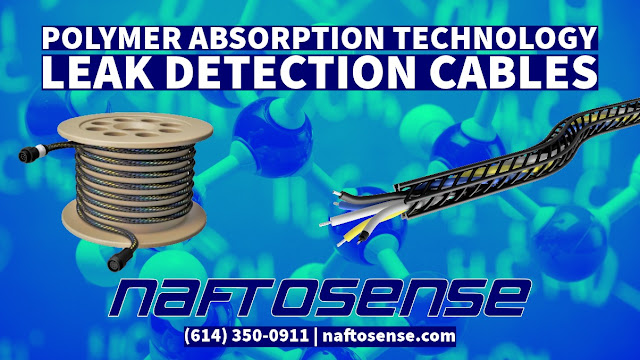
Polymer Absortion Technology Leak Detection Cables
What is Polymer Absorption Sensor Technology (PAS)?
How does PAS Work?
- Absorption: When the target fluid contacts the polymer, the polymer tends to absorb it. This absorption results in a noticeable change in the polymer, often swelling or expanding.
- Signal Generation: This change is detected in various ways. For some PAS systems, the swelling of the polymer might complete an electrical circuit, triggering an alarm. Optical properties might change in others, allowing for a light-based detection system.
- Communication: Once a change is detected, the system communicates this change, either by sending an electronic signal, lighting up an indicator, or triggering an alarm.
Application in Industrial Leak Detection Cables
- Precision: PAS-enabled cables can precisely detect the leak's location.
- Versatility: Different polymers detect various fluids. This flexibility allows industries to deploy them in diverse environments, from oil pipelines to water reservoirs.
- Quick Response: Due to the polymer's immediate physical or chemical response, PAS provides almost instantaneous detection, ensuring minimal damage from unnoticed leaks.
- Durability: Polymers used in PAS are often chosen for their robustness and longevity, ensuring the cables remain functional without frequent replacements or maintenance.
(614) 350-0911
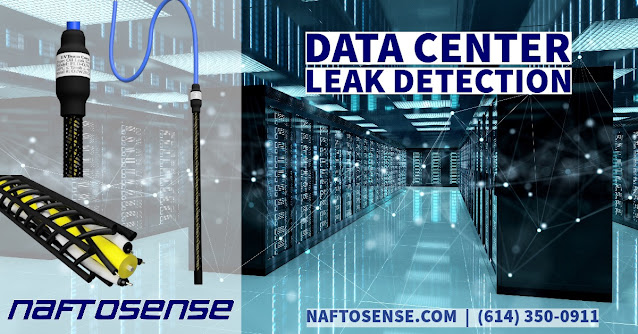
Data Center Leak Detection
Leak detection solutions in data centers are crucial to prevent downtime, equipment damage, and potential safety hazards.
These systems use specially designed cables that detect the presence of liquid along their length. When any part of the cable comes into contact with a liquid, it causes a change in the cable's resistance, capacitance, or conductivity, depending on the design. Some advanced systems can even pinpoint the exact location of the leak along the cable, allowing for swift mitigation.
Under Raised Floors: Many data centers use raised floors to route cables and sometimes cooling systems. Leaks under these floors can go undetected and cause significant damage. Laying cable-type detectors under the floor ensures early detection.Perimeter of Rooms: These cables can quickly detect any water entering the room by outlining the room's edges.Around Equipment: They can be placed around the base of critical equipment, especially water-cooled servers or equipment close to cooling systems.Along Piping: For data centers that utilize liquid cooling or have extensive plumbing for other reasons, cable detectors are run alongside pipes to detect leaks promptly.In Overhead Areas: Sometimes, cable trays or overhead systems might leak, primarily if they house cooling pipes. Rope detectors run through these areas for added protection.
Coverage: One of the main advantages is the ability to cover vast areas with a single system.Precision: Advanced systems can identify the exact location of the leak, allowing for quick response and mitigation.Flexibility: They can be routed around obstacles, bent around corners, and tailored to fit the specific layout of a data center.Integration: These systems can often be integrated into the broader environmental monitoring systems of the data center, ensuring centralized monitoring and alerting.
(614) 350-0911
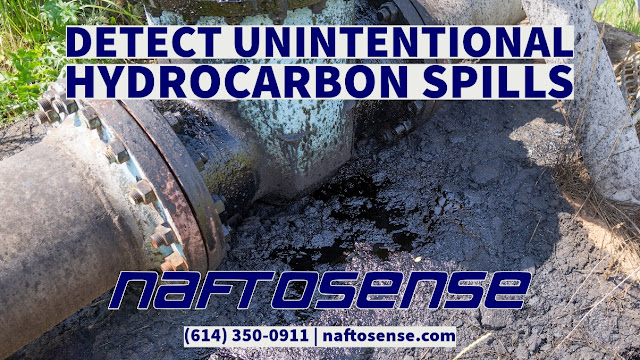
Unintentional Hydrocarbon Spills: A Multifaceted Crisis for US Industrial Firms
Legal Ramifications
Social Ramifications
Financial Ramifications
Regulatory Ramifications
Naftosense: Leak Detection Systems for a Wide Range of Hydrocarbon Liquids
Leak Sensing Cables for Backup Power Generators
- Hospitals and Healthcare Facilities: These need uninterrupted power to ensure vital medical equipment's functionality, medication refrigeration, and lighting.
- Data Centers: They require constant power to protect and maintain the servers that host critical data for businesses, governments, and other organizations.
- Industrial and Manufacturing Plants: These need backup power to maintain production and safeguard against potential damage caused by sudden power loss.
- Commercial Buildings: Essential businesses, such as supermarkets and banks, rely on backup power to maintain operations.
- Government Institutions: These may include everything from military installations to local government offices that must maintain operations during power outages.
- Telecommunication Centers: These centers require uninterrupted power to ensure constant communication availability.
- Water and Waste Treatment Facilities: To continue their operations without interruption, ensuring public health and safety.
- Safety: Diesel fuel is highly flammable, and a leak can result in a dangerous fire or explosion if it contacts a spark or open flame.
- Environmental Protection: Diesel fuel is harmful to the environment. Leaks can contaminate soil and groundwater and can be expensive to clean up.
- Regulatory Compliance: Many jurisdictions require regular inspections and maintenance of fuel storage systems to prevent leaks.
- Economic Considerations: Leaks can result in significant loss of expensive fuel and may also result in costly downtime if a generator fails to start or operate correctly due to fuel loss.
- Early Detection: These cables can detect even small amounts of leaked fuel, allowing for early detection and mitigation before the problem becomes severe.
- Precise Location: Leak detection cables can help determine the exact location of the leak, facilitating faster and more efficient repairs.
- Continuous Monitoring: These cables can be connected to monitoring systems to provide real-time updates on the generator and fuel system status and automatic alerts if a leak is detected.
- Adaptable: They can be installed in various configurations, allowing them to adapt to the unique needs of each installation.
- Cost-Effective: While there is an upfront cost, they can ultimately save money by avoiding fuel loss, preventing environmental damage, and reducing downtime.
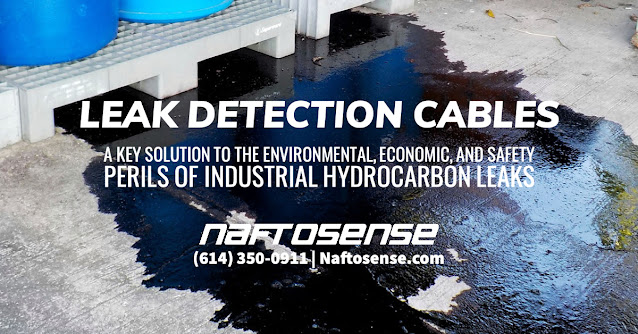
Leak Detection Cables: A Key Solution to the Environmental, Economic, and Safety Perils of Industrial Hydrocarbon Leaks
Industrial hydrocarbon leaks pose a multifaceted threat, encompassing detrimental environmental, economic, and safety implications. Implementing a reliable leak detection system, such as leak detection cables, is crucial to address these issues effectively.
- Environmental impact: Hydrocarbons, such as petroleum products and natural gas, can have severe ecological consequences when leaked. They can contaminate soil, groundwater, and surface water, destroying ecosystems, losing biodiversity, and causing long-term environmental damage. Moreover, hydrocarbons contribute to air pollution and climate change, as they release greenhouse gases like methane and carbon dioxide when they leak and evaporate.
- Economic loss: Hydrocarbon leaks can result in significant financial losses for industries. Leaked hydrocarbons are a wasted resource instead of being used for energy production or manufacturing. Additionally, the cost of cleaning up leaked hydrocarbons, remediation efforts, and potential fines and legal liabilities can be substantial, putting a strain on the industry's bottom line.
- Safety hazards: Hydrocarbon leaks pose considerable safety risks for workers and nearby communities. Many hydrocarbons are flammable and can cause explosions or fires when they come into contact with ignition sources. Leaks can also release toxic or asphyxiating gases, putting people at risk of respiratory issues, chemical burns, or other health complications.
- Reputation damage: Hydrocarbon leaks can damage the reputation of industries and companies responsible for the leaks. Public opinion can turn against companies that fail to take appropriate measures to prevent and manage leaks, leading to a loss of trust and potential business opportunities.
Implementing a reliable leak detection system, such as leak detection cables, is crucial to address these issues. Leak detection cables detect the presence of hydrocarbons quickly and accurately, allowing for prompt response and mitigation efforts. These systems can help prevent environmental damage, minimize economic losses, and reduce safety hazards by identifying leaks before they escalate into significant problems. Furthermore, by demonstrating proactive measures to avoid hydrocarbon leaks, companies can protect their reputation and maintain public trust in their operations.