
Specialized Leak Detection Systems Designed to Identify the Presence of Hydrocarbons

Naftosense, a pioneering company in leak detection, crafts specialized systems designed to identify the presence of hydrocarbons. These state-of-the-art systems, known for their sensitivity and precision, play a crucial role in industries dealing with substances like refined fuel, various forms of crude oil, lubricants, dielectric oils, solvents, and different petrochemical compounds.
The essence of Naftosense's technology lies in its innovative approach to detecting hydrocarbons. Unlike traditional systems, Naftosense products can accurately discern the presence of both liquid and gaseous hydrocarbons. This feature is essential in environments where detecting hydrocarbon leaks is a matter of operational efficiency, environmental safety, and regulatory compliance.
One of the standout aspects of Naftosense's systems is their ability to function optimally even in challenging conditions. In many industrial settings, baseline contamination is a common issue. This contamination often leads to false alarms in regular operations when using standard leak detection systems. Naftosense's technology addresses this problem effectively. Its systems can differentiate between actual hydrocarbon leaks and baseline contamination levels, thus reducing the occurrence of false alarms.
Another scenario where Naftosense's technology proves invaluable is during periods of heavy rainfall. Such conditions can cause hydrocarbons trapped in soil to be released, triggering false alarms in less sophisticated systems. Naftosense's systems are designed to recognize and discount these false triggers, ensuring the alarm system remains reliable and trustworthy under various environmental conditions.
A key feature of Naftosense's leak detection systems is their adaptability. The company understands that every industrial environment has its unique challenges and conditions. Naftosense has equipped its systems with real-time volume reporting and field-adjustable sensors to accommodate this variability. This adaptability allows users to calibrate the sensors according to the specific conditions of their facilities. Whether adjusting for baseline contamination levels or adapting to fluctuating environmental conditions, Naftosense systems offer unparalleled flexibility.
Naftosense stands at the forefront of hydrocarbon leak detection technology. Its products detect a wide range of hydrocarbons with high sensitivity and offer innovative solutions to common problems faced in industrial settings. The company's focus on adaptability, precision, and reliability makes its systems essential for industries aiming to maintain operational efficiency, environmental safety, and compliance with regulatory standards. As enterprises continue to evolve and face new challenges, Naftosense's commitment to innovation positions it well to meet the ever-changing demands of leak detection and environmental safety.
(614) 350-0911
Polymer Absortion Technology Leak Detection Cables
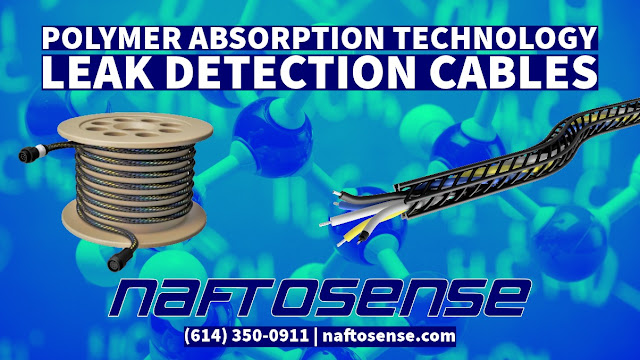
Leak detection is an indispensable part of many industrial processes, especially in petrochemicals, water management, and chemical manufacturing sectors. With the advent of technology, several methods have emerged to detect and prevent leaks. One such sophisticated method involves using Polymer Absorption Sensors (PAS). In this article, we'll delve into the concept of PAS and its applicability in industrial leak detection cables.
What is Polymer Absorption Sensor Technology (PAS)?
At its core, a Polymer Absorption Sensor Technology is a type of sensor that utilizes polymers' absorption characteristics to detect substances, mainly fluids. These polymers change their physical or chemical properties upon absorbing specific fluids, which can then be measured and interpreted as a detection signal. Different polymers can be employed depending on the type of fluid in question – be it water, oil, or a chemical solvent.
How does PAS Work?
The working principle of a PAS is based on the change in properties of the polymer when it comes in contact with a specific liquid.
- Absorption: When the target fluid contacts the polymer, the polymer tends to absorb it. This absorption results in a noticeable change in the polymer, often swelling or expanding.
- Signal Generation: This change is detected in various ways. For some PAS systems, the swelling of the polymer might complete an electrical circuit, triggering an alarm. Optical properties might change in others, allowing for a light-based detection system.
- Communication: Once a change is detected, the system communicates this change, either by sending an electronic signal, lighting up an indicator, or triggering an alarm.
Application in Industrial Leak Detection Cables
- Precision: PAS-enabled cables can precisely detect the leak's location.
- Versatility: Different polymers detect various fluids. This flexibility allows industries to deploy them in diverse environments, from oil pipelines to water reservoirs.
- Quick Response: Due to the polymer's immediate physical or chemical response, PAS provides almost instantaneous detection, ensuring minimal damage from unnoticed leaks.
- Durability: Polymers used in PAS are often chosen for their robustness and longevity, ensuring the cables remain functional without frequent replacements or maintenance.
Naftosense leak detection cables utilize Polymer Absorption Sensor Technology and boasts a solid history of detecting hydrocarbons under extreme conditions. Their cables offer real-time, cost-effective monitoring of critical infrastructure integrity. Paired with patented controller technology, Naftosense can determine leak volume and differentiate between old and new material.
In an era where efficient and quick leak detection can prevent significant industrial accidents and financial losses, technologies like Naftosense leak detection cables present a promising solution. Industries can benefit from precise, quick, and flexible leak detection, enhancing safety and operational efficiency.
(614) 350-0911
Data Center Leak Detection
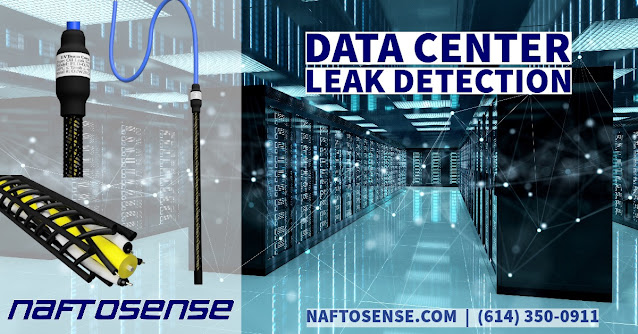
In modern computer data centers, hydrocarbon leaks can be a serious concern because they can lead to equipment malfunctions, fires, or other potentially hazardous situations. Data centers are complex environments with a mix of electrical, cooling, and backup systems. Here are areas that are sensitive to hydrocarbon leaks:
Cooling Systems: Many data centers use liquid-based cooling solutions, especially in high-density setups. A leak from these systems can cause electrical short-circuits, corrode equipment, and increase fire risk if the cooling fluid is flammable.
Backup Power Systems: Many data centers, like diesel generators, have backup power solutions to ensure continuity during power outages. A leak from these generators, especially fuel storage tanks or supply lines, can be a fire hazard and pose environmental concerns if the fuel seeps into the ground.
Fire Suppression Systems: Some older data centers might use Halon or other hydrocarbon-based fire suppressants. Accidental discharge or leaks can deplete the ozone layer and contribute to global warming.
Raised Floors: Data centers often have raised floors under which cables, cooling systems, and sometimes even fuel lines for backup generators run. Hydrocarbon leaks in this space can go unnoticed, pose a fire risk, or damage the equipment or cabling underneath.
Air Conditioning and HVAC Systems: Hydrocarbons used as refrigerants can leak from the AC or HVAC systems. While modern refrigerants are often less harmful than older ones, leaks can pose environmental concerns.
Power Distribution Units (PDUs) and Batteries: Some battery technologies, especially older ones, might leak hydrocarbons, damaging nearby equipment and increasing fire risk.
Hydrocarbons can harm the environment if they enter the soil or water systems, impacting the local ecosystem and contaminating drinking water sources. Leaks can also significantly damage the building's structure if they corrode certain materials. It can also compromise the integrity of walls, ceilings, and floors, which is critical for maintaining a controlled environment inside the data center.
Leak detection solutions in data centers are crucial to prevent downtime, equipment damage, and potential safety hazards.
Cable-based leak detection systems, sometimes called rope-type or cable-type leak detectors, are widely utilized in data centers because they cover extensive areas and provide precise leak detection and location.
How They Work:
These systems use specially designed cables that detect the presence of liquid along their length. When any part of the cable comes into contact with a liquid, it causes a change in the cable's resistance, capacitance, or conductivity, depending on the design. Some advanced systems can even pinpoint the exact location of the leak along the cable, allowing for swift mitigation.
Placement:
Under Raised Floors: Many data centers use raised floors to route cables and sometimes cooling systems. Leaks under these floors can go undetected and cause significant damage. Laying cable-type detectors under the floor ensures early detection.Perimeter of Rooms: These cables can quickly detect any water entering the room by outlining the room's edges.Around Equipment: They can be placed around the base of critical equipment, especially water-cooled servers or equipment close to cooling systems.Along Piping: For data centers that utilize liquid cooling or have extensive plumbing for other reasons, cable detectors are run alongside pipes to detect leaks promptly.In Overhead Areas: Sometimes, cable trays or overhead systems might leak, primarily if they house cooling pipes. Rope detectors run through these areas for added protection.
Advantages:
Coverage: One of the main advantages is the ability to cover vast areas with a single system.Precision: Advanced systems can identify the exact location of the leak, allowing for quick response and mitigation.Flexibility: They can be routed around obstacles, bent around corners, and tailored to fit the specific layout of a data center.Integration: These systems can often be integrated into the broader environmental monitoring systems of the data center, ensuring centralized monitoring and alerting.
Cable-based leak detection systems effectively protect data centers from the potentially devastating effects of water leaks. Their ability to cover large areas and offer precise detection makes them an invaluable tool in the arsenal of data center management.
(614) 350-0911
Unintentional Hydrocarbon Spills: A Multifaceted Crisis for US Industrial Firms
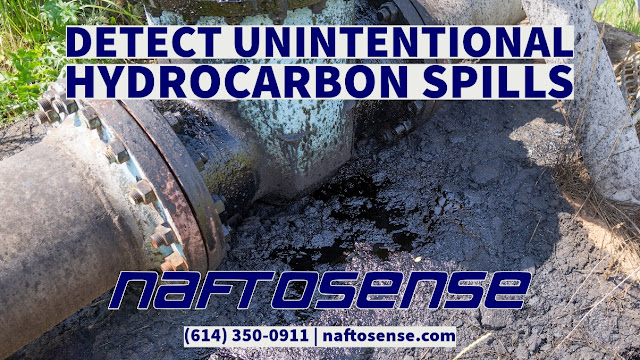
The industrial sector plays a pivotal role in the economy of the United States, contributing significantly to the nation's GDP, employment, and technological innovation. However, this sector also comes with its share of environmental responsibilities. Unintentional leaks of hydrocarbon-based oils and solvents into the environment present a severe challenge with wide-ranging ramifications. Industrial companies face not only legal consequences but also social and financial repercussions that can impact their operations and reputation.
Legal Ramifications
Fines and Penalties: Federal and state environmental agencies, such as the Environmental Protection Agency (EPA), enforce laws and regulations like the Clean Water Act and the Oil Pollution Act. Companies responsible for oil or chemical spills face significant fines and penalties, which can substantially impact their financial health.
Litigation: Affected parties, including government entities, private organizations, or individuals, may file lawsuits against the responsible company for damages caused by the spill, including damages for harm to natural resources, property damage, and personal injuries. Legal proceedings can be lengthy and costly, with no guarantee of a favorable outcome for the company.
Criminal Charges: In cases with evidence of negligence or intentional misconduct, criminal charges may be brought against the company or its officers. Convictions can result in fines, imprisonment, and a damaged reputation.
Cleanup Costs: Companies responsible for a spill usually must cover the cost of cleanup efforts. These costs can be significant and may involve removing the spilled material and restoring the affected area to its original condition.
Social Ramifications
Reputation Damage: Public perception of a company can suffer significant harm after an environmental incident. This loss of trust and loyalty can result in decreased sales and may impact the company's ability to attract and retain employees.
Community Relations: Local communities may experience adverse impacts such as drinking water contamination, wildlife harm, and decreased property values. Strained relations between the company and the community may make it more difficult for the company to operate in the area in the future.
Financial Ramifications
Share Value: Negative publicity and potential financial liabilities associated with a spill can decrease the company's share value, impacting the company and its shareholders.
Insurance Costs: Insurance premiums for the company may increase following an incident, and in some cases, it may not be easy to obtain insurance coverage.
Investment: Investors may choose to divest from the company or demand changes in company leadership or operations, leading to a decrease in available capital for the company, impacting its ability to invest in new projects or expand existing operations.
Regulatory Ramifications
Increased Scrutiny: Regulatory agencies may subject the company to increased scrutiny following a spill, which may result in more stringent regulations and oversight in the future.
Permitting: Obtaining permits for new projects or expansions of existing operations may become more difficult for the company.
Unintentional leaks of hydrocarbon-based oils and solvents into the environment can have far-reaching legal, social, and financial ramifications for industrial companies in the United States. These incidents can result in significant financial liabilities, company reputation damage, and strained relations with communities and regulatory agencies. Companies must implement robust safety measures and environmental management systems to prevent such incidents and to respond quickly and effectively in the event of a spill. Ultimately, a proactive approach to environmental stewardship is not only a legal obligation but also a social and financial imperative for the long-term success of any industrial firm.
Naftosense
(614) 350-0911
Naftosense: Leak Detection Systems for a Wide Range of Hydrocarbon Liquids
Naftosense is a leading company specializing in creating and producing hydrocarbon leak detection systems. Their advanced technology anchors in an array of addressable products capable of identifying and monitoring the presence of different types of hydrocarbons in real time.
Their wide range of detection systems can identify an array of hydrocarbons, including but not limited to refined fuels such as gasoline, diesel, and jet fuel. Additionally, they can detect light to heavy crude oils, critical components in the oil and gas industry. Lubricants, commonly used in various mechanical and industrial applications, can also be detected with sophisticated systems.
In addition to this, Naftosense's systems can detect dielectric oils. These oils are usually insulators and coolants in high-voltage transformers and capacitors, making this feature particularly useful in the electrical power industry. Their technology also identifies various solvents in multiple industrial, commercial, and household products.
Furthermore, Naftosense's systems can pinpoint the presence of petrochemical compounds. These are often the base elements in manufacturing plastics, synthetic materials, and numerous chemicals.
Overall, Naftosense's advanced technology, embodied in its cutting-edge hydrocarbon leak detection systems, delivers reliable, efficient, and versatile solutions to safeguard against potential leaks, ensuring the safety and efficiency of operations across a broad spectrum of industries.
(614) 350-0911
Leak Sensing Cables for Backup Power Generators

Many different types of facilities rely on diesel backup power generators to ensure the continuity of their operations in the event of a power failure. Some examples include:
- Hospitals and Healthcare Facilities: These need uninterrupted power to ensure vital medical equipment's functionality, medication refrigeration, and lighting.
- Data Centers: They require constant power to protect and maintain the servers that host critical data for businesses, governments, and other organizations.
- Industrial and Manufacturing Plants: These need backup power to maintain production and safeguard against potential damage caused by sudden power loss.
- Commercial Buildings: Essential businesses, such as supermarkets and banks, rely on backup power to maintain operations.
- Government Institutions: These may include everything from military installations to local government offices that must maintain operations during power outages.
- Telecommunication Centers: These centers require uninterrupted power to ensure constant communication availability.
- Water and Waste Treatment Facilities: To continue their operations without interruption, ensuring public health and safety.
Diesel backup power generators are crucial for these facilities and pose a risk of leaks from their storage tanks, fuel lines, or the generator units themselves. Leak detection is mandatory for these generators because:
- Safety: Diesel fuel is highly flammable, and a leak can result in a dangerous fire or explosion if it contacts a spark or open flame.
- Environmental Protection: Diesel fuel is harmful to the environment. Leaks can contaminate soil and groundwater and can be expensive to clean up.
- Regulatory Compliance: Many jurisdictions require regular inspections and maintenance of fuel storage systems to prevent leaks.
- Economic Considerations: Leaks can result in significant loss of expensive fuel and may also result in costly downtime if a generator fails to start or operate correctly due to fuel loss.
Leak-detection cables are an excellent choice for these generators for the following reasons:
- Early Detection: These cables can detect even small amounts of leaked fuel, allowing for early detection and mitigation before the problem becomes severe.
- Precise Location: Leak detection cables can help determine the exact location of the leak, facilitating faster and more efficient repairs.
- Continuous Monitoring: These cables can be connected to monitoring systems to provide real-time updates on the generator and fuel system status and automatic alerts if a leak is detected.
- Adaptable: They can be installed in various configurations, allowing them to adapt to the unique needs of each installation.
- Cost-Effective: While there is an upfront cost, they can ultimately save money by avoiding fuel loss, preventing environmental damage, and reducing downtime.
(614) 350-0911
Subscribe to:
Posts (Atom)